
Designing your D2C brand identity with AI
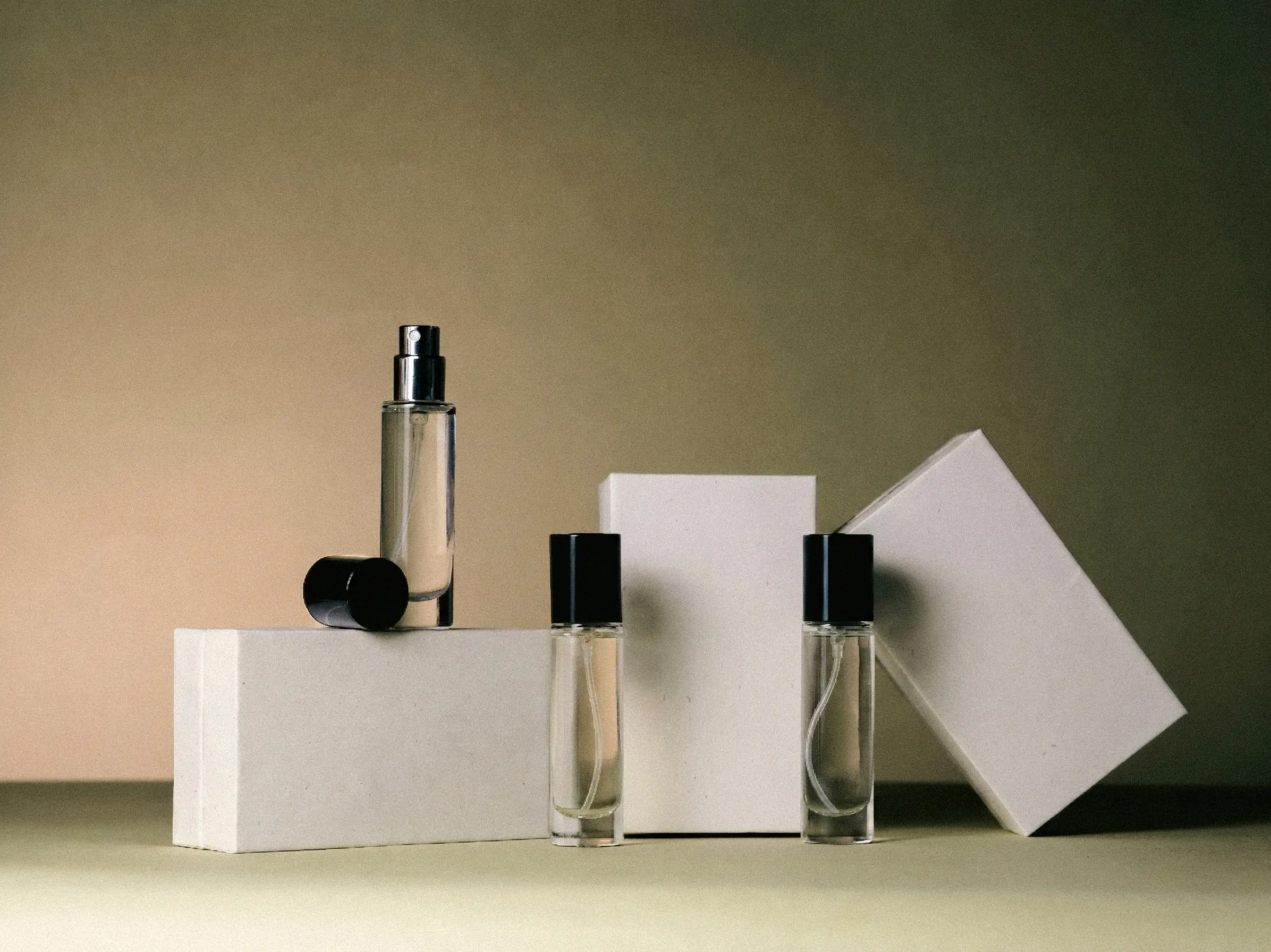
Some founders are all about data; our CRO side gets it. ROAS, CPA, Conversion Rate, AOV, RPV, PPV, metrics, metrics, metrics. But your brand has a visual side as well. Good thing we have AI now to help us with that work, or at least some parts of that work.
In one of our previous articles, we covered creating a positioning statement with AI. If you haven’t read that one yet, we recommend doing that first. You need a unique positioning statement that’s really true to move to good creative expression.
This is also where AI's role fundamentally changes. In the positioning phase, AI was mainly an interrogator. It helped you pressure-test hypotheses you had about your brand’s uniqueness. In the visual phase, AI flips. It becomes a generator and an evaluator. It sparks ideas, which you take to the next level by adding real human emotion.
Recognizing this flip helps you do the most with AI. Read on and you’ll get what we’re talking about.
Start with metaphors
Before colors and typography, you need a metaphor for your brand. This is the bridge between abstract positioning and concrete visual choices.
A metaphor is a real-world thing your brand is like. Not what your brand is, but what it feels like. Patagonia feels like a mountain guide who's seen too much. Aesop feels like a chemist's apothecary in 1920s Vienna. Glossier feels like your most stylish friend's bathroom.
These metaphors don't show up in the ad copy. They live behind it. They're the reference point everyone on the brand team can return to when a decision feels ambiguous.
This is still a job AI can help with. Give it your positioning statement and ask:
Given this positioning, generate twenty real-world metaphors for what this brand could feel like. Be specific. Not "luxurious" but "the way a hotel lobby in Kyoto feels at 6am." Mix obvious metaphors with unexpected ones. Include some that are slightly off, so I can react to them.
You'll get a list. Most of it will be wrong. Two or three will spark something. The job isn't to pick AI's best one. It's to use the list to find your own. The right metaphor often shows up next to a wrong one, because the wrong one gave you something to push against.
Where the flip happens: visual direction
Once you have a metaphor, you're moving toward colors, typography, photography style, and overall visual feel. This is where AI stops being a useful generator.
Here, it becomes a bit more difficult to be honest. If you’re not a very creative person, it’s not that strange that you’ll have your hands in your hair at this point. Don’t worry, the work here is just slower. You make a choice, you put it in front of AI, AI reacts, you adjust.
Start with colors. Pull a primary, two secondary, and a few supplementary colors that connect back to your metaphor. Don't be afraid to go out of the box. Bright green, deep blue, brown, yellow, black, whatever. Put them in Figma or Canva with your logo on top. See how they feel together. It doesn't matter if it's ugly at this point. What matters is that the choices come from you, not from AI's average of every D2C beauty brand on Shopify.
Then bring those choices to AI. Ask it to argue against each palette. Where does it break the positioning? Where does it accidentally echo a competitor? Where does it land on a cliché? Same approach for typography.
This kind of work goes faster with a designer. They earn their fee here. But you can get a long way on your own if you stay disciplined about treating AI as the critic, not the creative.
AI as evaluator
What AI is genuinely useful for once you have visual options on the table is reacting to them.
You've narrowed your typeface options to three. Show them to AI alongside your positioning statement and metaphor, and ask which one most closely supports the feeling you're going for, and why. AI is excellent at articulating why a typeface feels a certain way. What historical references it carries, what other brands have used it, what mood it evokes. This is the kind of writing AI was made for.
Same with color. Give it your shortlist of palettes and ask it to argue against each one. Where does this palette break the positioning? Where does it accidentally echo a competitor? Where does it land on a cliché?
You can also feed it your draft homepage and ask whether the visual choices are coherent with your positioning. Not "does this look good." AI is bad at that. Rather "given the positioning is X, where does this design pull in a different direction?"
This is the flip. You're no longer asking AI to make creative decisions. You're using it as a structured critic that helps you defend or revise the decisions you've already made.
What you walk away with
If you've done this right, you have a brand metaphor that anchors every visual choice, a visual direction chosen with intent rather than convenience, and an AI that's been useful in the right places and stayed out of the way in the wrong ones.
